Best Smart Lighting Systems in 2026
Smart lighting has evolved from a novel, high-tech luxury into a fundamental pillar of modern home automation. The ability to control your home’s atmosphere, schedule illumination based on your daily routines, and integrate your lighting with security and energy-saving systems has transformed how we interact with our living spaces. When it comes to upgrading your home’s ambiance and functionality, choosing the best smart lighting systems can completely transform your living space. In 2026, the smart lighting market is more diverse and advanced than ever, offering solutions that range from simple, hub-free Wi-Fi bulbs to sophisticated, multi-protocol mesh systems that form the backbone of a professional-grade smart home.
Modern setups are no longer constrained by the limitations of early-generation smart bulbs. Today’s options feature incredibly rich color gamuts, seamless integration with major voice assistants, and native compatibility with open-source smart home software like Home Assistant. Furthermore, the widespread adoption of the Matter connectivity standard and Thread wireless technology has drastically reduced the complexity of building a multi-brand smart home network. According to the Wikipedia smart lighting guide, these setups utilize wireless protocols and advanced networking to offer unified control. In this comprehensive guide, we will analyze the key technologies, compare the top-rated brands, and help you select the ideal smart lighting solution for your specific home layout and budget.
How to Choose the Best Smart Lighting Systems for Your Home
Selecting the right smart lighting option requires a clear understanding of your current home network infrastructure, your automation goals, and the specific physical spaces you want to illuminate. To find the best smart lighting systems, you must evaluate several critical technical criteria that will dictate your daily user experience.
-
Wireless Protocols and Networking: How your smart lights communicate is the single most important factor determining their long-term reliability and system latency.
- Wi-Fi: Bulbs that use Wi-Fi connect directly to your home router, utilizing standard Wi-Fi Alliance protocols. They are excellent for small deployments, such as a few lamps in a single room, because they require no additional hardware. However, a large number of Wi-Fi bulbs can easily congest your local network, leading to dropped connections and delayed responses.
- Zigbee: This low-power mesh networking standard is the preferred choice for serious smart home enthusiasts. Zigbee devices communicate with a central hub, creating their own dedicated mesh network where each bulb acts as a repeater to extend range. This keeps smart home traffic completely off your Wi-Fi network and ensures rock-solid reliability, even when deploying dozens of lights.
- Matter and Thread: As the latest standard developed by the Connectivity Standards Alliance, Matter operates over Thread, a low-power wireless standard designed by the Thread Group to provide direct, IP-based local communication between devices from different brands. Thread networks are self-healing, incredibly fast, and don’t rely on the cloud, making them a fantastic future-proof investment.
-
Brightness, Color Temperature, and CRI:
- Lumens (Brightness): Look for the lumen rating, not the equivalent wattage, to determine actual brightness. A standard 60-watt incandescent bulb produces roughly 800 lumens, which is the baseline for most smart A19 bulbs. For larger rooms or task lighting, look for bulbs offering 1,100 to 1,600 lumens.
- Color Temperature: Measured in Kelvin (K), this defines the warmth or coolness of white light. A good smart bulb should support a wide range of tunable whites, from a warm, cozy candlelight glow (around 2,000K) to a crisp, blue-toned daylight (6,500K) that aids in concentration and productivity.
- Color Rendering Index (CRI): This index measures how accurately a light source reveals the true colors of objects compared to natural daylight. A CRI of 90 or above is ideal for living rooms, kitchens, and bathrooms, preventing colors from looking dull or washed out.
-
Ecosystem Integration and Control Options: A smart light is only as good as the software used to control it. The companion mobile application should be highly intuitive, offering robust scheduling, scene creation, and transition-effect customization. For a truly seamless experience, ensure your lighting system integrates natively with Apple Home, Amazon Alexa, Google Home, or local automation hubs.
-
Form Factors and Physical Installation: Smart lighting goes far beyond standard A19 screw-in bulbs. Depending on your design, you can choose recessed downlights, flexible light strips for under-cabinet or accent lighting, outdoor floodlights, or decorative modular panels.
Comprehensive Reviews of the Top Smart Lighting Systems of 2026
To help you make an informed decision, we have rigorously evaluated the leading smart lighting brands on the market, analyzing their color accuracy, system reliability, software polishedness, and overall value.
Philips Hue Starter Kit
The Philips Hue ecosystem remains the gold standard of home automation.
💰 Buy on Amazon → Philips Hue Smart Light Starter Kit
While looking for the best smart lighting systems, you will quickly realize that Philips Hue is the undisputed gold standard. Built on a dedicated Zigbee mesh network, the system relies on the Hue Bridge to handle communication. This design ensures that even if you have fifty bulbs installed, your Wi-Fi router remains completely uncluttered. The Philips Hue app is incredibly polished, providing users with a massive library of pre-configured lighting scenes, dynamic light effects, and deep synchronization features that can match your lights to your television screen or music.
During our testing, the color accuracy of the Philips Hue bulbs was exceptional. The greens are deep and rich, the reds are vibrant, and the white spectrum is completely customizable. Although the initial cost of entry is higher than other Wi-Fi-based competitors, the unmatched stability, long product lifespan, and universal ecosystem support make it an investment that pays off over years of trouble-free operation.
Nanoleaf Lines Light Bars
Nanoleaf is a brilliant choice for adding decorative, artistic lighting to any space.
💰 Buy on Amazon → Nanoleaf Lines Smart Light Bars
Decorating with light panels has become incredibly popular, and Nanoleaf offers some of the best smart lighting systems for creative wall designs. The Nanoleaf Lines are modular, backlit LED light bars that snap together in almost any geometric layout you can imagine. They project light back against your walls, creating a stunning, diffused glow that can react to music, sync with your PC screen during gaming sessions, or display elegant color gradients.
In addition to their aesthetic appeal, many newer Nanoleaf products function as Thread Border Routers, helping to strengthen and expand your local smart home network. The app is highly modular and allows users to download thousands of community-created lighting scenes, making it a perfect addition to home offices, media rooms, and gaming setups.
Nanoleaf Shapes Hexagons
Nanoleaf Shapes provide touch-sensitive, modular lighting panels for interactive art.
💰 Buy on Amazon → Nanoleaf Hexagon Light Panels
If you want a more substantial physical panel compared to light bars, the Nanoleaf Shapes Hexagons are an incredible solution. These modular panels mount easily to your wall using double-sided adhesive and feature touch-sensitive surfaces. You can configure them to react to your touch, act as physical automation buttons to trigger other smart devices in your home, or play interactive light games. Like the Lines, they integrate beautifully with Home Assistant and Apple Home, utilizing the power of local Thread connectivity to deliver near-instant response times.
LIFX Color A19 Smart LED Bulb
LIFX delivers peerless color intensity and brightness without requiring a central hub.
💰 Buy on Amazon → LIFX Color A19 Smart LED Bulb
If you want a brilliant, hub-free solution, LIFX has developed some of the best smart lighting systems with unmatched color intensity. By connecting directly to your home Wi-Fi network, LIFX bulbs avoid the need for a dedicated bridge. They are among the brightest smart bulbs available, pushing out up to 1,100 lumens of light, making them perfect for fixtures where a single bulb needs to illuminate a large area.
The color saturation of LIFX bulbs is legendary, producing deep, rich tones that are incredibly vibrant. The mobile application is highly responsive and includes unique animated effects like “Flicker” or “Spooky” that run directly on the bulb’s internal hardware. The only drawback is that because they rely on Wi-Fi, you must have a robust wireless router if you plan on deploying a large number of these bulbs throughout your home.
TP-Link Kasa Smart Plug KP125M
Convert traditional lamps into smart lights using a compact, Matter-compatible smart plug.
💰 Buy on Amazon → TP-Link Kasa Smart Plug KP125M
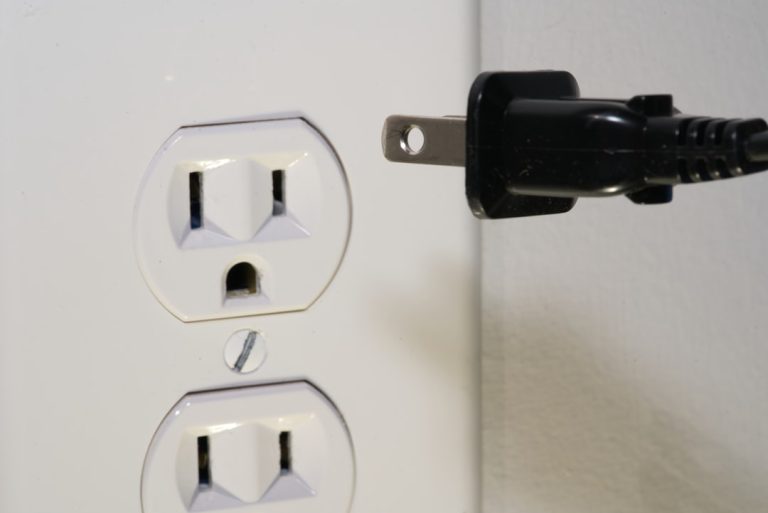
You don’t always need to replace your expensive or decorative bulbs to enjoy the benefits of smart illumination. The TP-Link Kasa KP125M smart plug is a compact, highly reliable accessory that allows you to integrate standard floor lamps, desk lighting, or holiday string lights directly into your automation ecosystem. Featuring native support for the Matter standard, this smart plug can be configured in seconds using Apple Home, Google Assistant, or local Zigbee/Matter controllers. It also includes energy-monitoring capabilities, allowing you to track exactly how much power your plugged-in fixtures are consuming.
Eve Energy Smart Plug
The Eve Energy smart plug is a premium, Thread-enabled smart outlet for complete energy management.
💰 Buy on Amazon → Eve Energy Smart Plug
For users who prioritize local, secure, and ultra-fast communication, the Eve Energy smart plug is an elite-tier choice. Operating over Thread technology, this smart plug responds almost instantaneously to commands and extends the range of your entire Thread mesh network. Because it does not rely on a cloud service, your schedules and automations continue to function perfectly even if your internet connection goes down. The companion app provides highly detailed energy-monitoring graphs, making it easy to identify energy-wasting appliances and optimize your home’s power consumption.
Smart Lighting Installation and Setup Tips
Setting up your smart lights correctly from the beginning will save you significant troubleshooting time and ensure a highly reliable user experience.
- Decide Between Bulbs and Switches: For fixtures with multiple bulbs, such as a large chandelier or a row of recessed kitchen lights, replacing every single bulb can be prohibitively expensive. In these scenarios, installing a single smart wall switch is a much more cost-effective solution. This allows you to control the entire fixture while preserving the use of physical wall controls. On the other hand, individual smart bulbs are perfect for lamps and fixtures where you want to control colors and individual brightness levels.
- Manage Physical Switch Habits: One of the most common issues with smart bulbs is that when someone turns off the physical wall switch, the bulb loses power and becomes completely unresponsive to app or voice commands. To solve this, you can install physical switch guards, use smart button remotes that mount over your existing switches, or hardwire the circuit to be always-on while controlling the lights via smart wireless scene controllers.
- Leverage Local Control and Automations: Integrating the best smart lighting systems with open-source controllers like Home Assistant unlocks limitless automation possibilities. By keeping your automations local, you eliminate reliance on external cloud servers, drastically reduce latency, and ensure your home’s smart features remain fully operational even during internet outages.
Frequently Asked Questions about Smart Lighting Systems
To help you make the right choice, here are some common questions about finding and installing the best smart lighting systems in 2026.
Do I need a central bridge or hub for my smart lights?
It depends entirely on the brand and protocol you choose. Systems like LIFX connect directly to your home’s Wi-Fi network and do not require a separate hub. Premium ecosystems like Philips Hue use a dedicated Zigbee bridge to communicate with your bulbs, keeping smart home traffic off your main Wi-Fi network and ensuring maximum reliability when managing large numbers of devices.
Can smart bulbs be controlled when the physical wall switch is turned off?
No. If the physical wall switch is turned off, the electrical circuit is broken, and the smart bulb loses all power. When this happens, the bulb will show as “offline” in your smart home application and cannot be controlled via voice assistants, schedules, or automation routines. To prevent this, you should keep physical switches in the “on” position and use wireless smart buttons or remotes for manual control.
What is the difference between Zigbee, Wi-Fi, and Thread smart lights?
Wi-Fi smart lights connect directly to your home wireless router, making them easy to set up but prone to congesting your network if you install too many. Zigbee is a low-power mesh protocol that requires a central hub, creating a reliable, independent network for your lights. Thread is a newer, IP-based mesh standard that operates locally without a hub, offering ultra-fast response times and self-healing network capabilities under the Matter standard.
Are smart LED bulbs dimmable in physical dimmer switches?
No. You should never install smart bulbs in fixtures that are controlled by a traditional physical dimmer switch. Doing so can cause the bulb to flicker, buzz, or suffer permanent electronic damage, as traditional dimmers reduce the voltage supplied to the fixture. Instead, keep the physical switch at full power and control the dimming levels electronically using your smart home app, voice commands, or compatible smart switches.
What happens to my smart lighting automation if my internet connection fails?
The behavior during an internet outage depends on your system’s design. Wi-Fi-based smart lights that rely on cloud servers will lose their automation schedules and remote control capabilities. However, mesh-based systems like Philips Hue (operating over a local Zigbee bridge) or Thread-enabled Matter devices will continue to execute local schedules and respond to local smart buttons perfectly, as they do not require an active internet connection to communicate locally.
How much energy do smart LED bulbs save compared to standard bulbs?
Because smart bulbs are based on LED technology, they are incredibly energy-efficient, consuming up to 80% less electricity than traditional incandescent bulbs. Additionally, smart features allow you to maximize these savings by setting automatic schedules to turn off forgotten lights, establishing geo-fencing routines to turn off lights when you leave home, and using dimming levels to reduce power consumption throughout the day.