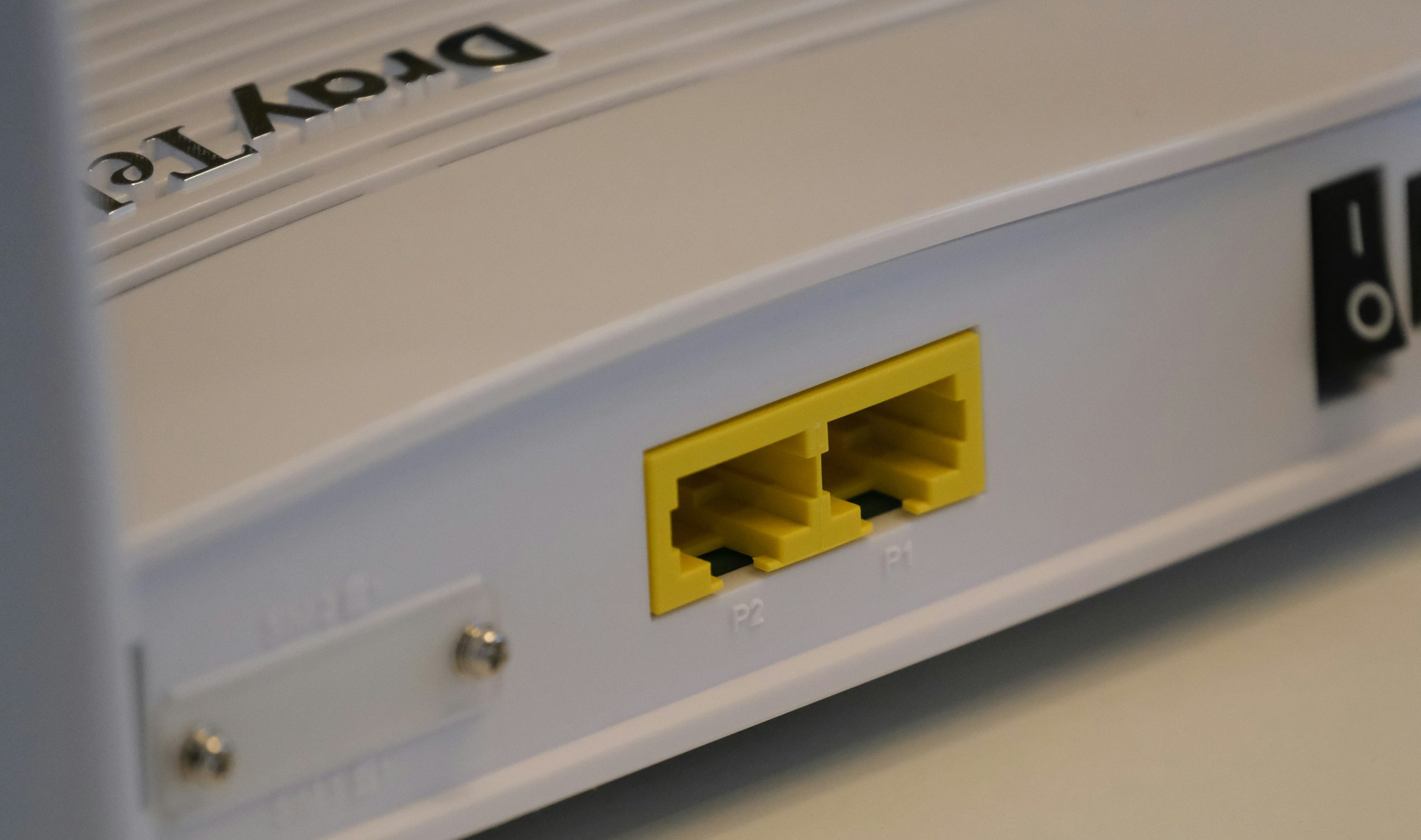
Router Security Best Practices (2026)
Your router sits at the edge of your network, connecting everything
in your home to the internet. Right now, hackers are actively exploiting
vulnerabilities in consumer routers. Iran-linked attackers have
compromised thousands of devices. AirSnitch attacks can break Wi-Fi
encryption in homes and offices. The security posture of your router
isn’t just about privacy — it’s about preventing your smart home from
becoming part of a botnet. Implementing proper router security is no
longer optional in today’s threat landscape. complete router
security requires a multi-layered approach that addresses both
configuration and behavioral aspects of network defense.
Why
Your Router is the Most Vulnerable Device on Your Network
Most people think about securing their computers and phones. They
install antivirus software, use strong passwords, and keep their systems
updated. Then they ignore the device that connects everything: the
router. Your router handles all incoming and outgoing traffic for your
entire network. If it’s compromised, every device connected to your
network is at risk. This makes router security the most critical
component of your home defense strategy. Effective router security forms
the foundation of your entire network security posture, protecting all
connected devices from external threats. Understanding router security
best practices helps homeowners make informed decisions about their
network infrastructure protection. Without proper router security, even
the most secure individual devices remain vulnerable to network-level
attacks.
A compromised router can be used to: – Monitor all your internet
traffic – Redirect you to phishing sites – Launch attacks on other
networks – Give attackers access to your smart home devices – Steal
login credentials from every device on your network
The router security landscape has changed dramatically in recent
years. Consumer router security is no longer just about changing default
passwords—it’s about protecting against sophisticated attacks that
target home networks specifically.
The scary part? Many routers come with known vulnerabilities that
manufacturers haven’t patched. Default credentials are still common.
Firmware updates are often years behind. And many consumers have no idea
their router needs regular security attention.
Signs Your Router May Be
Compromised
How do you know if your router has been compromised? Watch for these
warning signs:
Performance issues: – Unusually slow internet speeds
– Frequent connection drops – Devices connecting and disconnecting
without reason – High CPU usage on the router (check admin panel)
Network behavior: – Strange devices connected to
your network – Unusual traffic spikes during off-hours – Websites
redirecting to unexpected pages – Search results being altered
Security alerts: – Firewall logs showing blocked
malicious traffic – Reports from your ISP about suspicious activity –
Notifications from security services about compromised devices
If you notice any of these, assume the worst until you can verify
your router’s security. Router security incidents often manifest through
these subtle symptoms before full compromise occurs, making early
detection crucial for preventing widespread network infiltration.
Maintaining vigilant router security practices helps identify potential
threats before they escalate into full-scale breaches. Proactive router
security monitoring can detect anomalous traffic patterns that might
indicate ongoing exploitation attempts against your network
infrastructure. Implementing router security best practices includes
both technical configurations and behavioral monitoring to maintain
ongoing protection.
Router Security
Basics Every Home User Needs
Securing your router doesn’t require advanced networking knowledge.
These basic steps will dramatically improve your router’s security
posture. Proper router security starts with these fundamental practices
that every home user can implement without technical expertise. For a
complete guide on choosing secure hardware, see our article on our Router Buying Guide. Building strong router security
habits prevents the most common attack vectors used against home
networks today. Effective router security requires both configuration
changes and ongoing vigilance. Implementing complete router
security best practices is essential for modern home network protection.
Consistent router security practices significantly reduce your exposure
to zero-day exploits and automated scanning attacks.
Change Default
Credentials Immediately
Every router ships with default admin credentials. These are publicly
known and easily searchable online. Changing them is the most critical
first step in router security. Router security starts with taking
control of administrative access before anything else.
Never use obvious passwords like “admin/admin” or
“password/password.” Use a strong, unique password with: – At least 12
characters – Mix of uppercase, lowercase, numbers, and symbols – No
personal information (names, birthdates, etc.) – Different from any
other password you use
Router security experts recommend using a password manager to
generate and store complex router credentials, ensuring you never reuse
passwords across different devices and services. This practice
significantly enhances overall router security by preventing credential
reuse attacks that commonly compromise home networks. Modern router
security frameworks emphasize the importance of unique, complex
credentials for all network administration interfaces. Adhering to
router security best practices includes regular credential rotation and
the elimination of default administrative accounts. For more information
on password management, check out NIST
password guidelines. Additionally, OWASP router security resources
provides complete guidance on securing network infrastructure.
Enable Automatic Firmware
Updates
Router firmware updates typically include: – Security patches for
known vulnerabilities – Performance improvements – New features and bug
fixes
Many modern routers offer automatic updates. Enable this feature if
available. If not, check for updates manually at least once every three
months to maintain optimal router security posture.
Disable Remote Management
Remote management allows you to access your router’s admin interface
from the internet. Unless you specifically need this feature, disable
it. Remote management is a common attack vector for hackers.
Use Strong Wi-Fi Encryption
Ensure your Wi-Fi network uses WPA3 encryption. If your router
doesn’t support WPA3, use WPA2 with AES encryption. Never use outdated
protocols like WEP or WPA with TKIP, which can be easily cracked. Learn
more about network encryption standards in our our WiFi Security article. Proper router security requires using the strongest
encryption available for your hardware.
Advanced Router Security
Configuration
For users who want more strong protection, these advanced
configurations provide additional layers of security.
Create
Separate Networks for Guests and IoT Devices
Most modern routers support multiple SSIDs. Create separate networks
for: – Your primary devices (computers, phones, tablets) – Guest devices
– IoT devices (smart home gadgets, cameras, etc.)
This prevents compromise on one network segment from affecting
others. If a smart camera is hacked, attackers won’t have access to your
main computer.
Enable the Firewall
Your router’s firewall acts as a barrier between your network and the
internet. Ensure it’s enabled and configured properly: – Block all
incoming traffic by default – Only allow specific ports you need open –
Enable stateful packet inspection – Turn on SPI (Stateful Packet
Inspection)
A properly configured firewall is essential for router security—it’s
the first line of defense against external threats trying to access your
network. According to CISA
guidelines, proper firewall configuration is critical for protecting
against state-sponsored attacks targeting home networks. Router security
specialists also recommend implementing additional protections like
intrusion detection systems for complete network defense. Advanced
router security solutions often include multiple layers of defense to
address various threat vectors simultaneously. Following established
router security best practices ensures complete protection against
modern cyber threats.
Disable Unused Services
Routers often come with unnecessary services enabled that can create
security risks: – UPnP (Universal Plug and Play) – Telnet – SSH (unless
you need remote administration) – HTTP/HTTPS administration (use HTTPS
if needed) – WPS (Wi-Fi Protected Setup) – particularly vulnerable
Only enable services you actually use and understand.
Router Security Maintenance
Security isn’t a one-time setup. Regular maintenance keeps your
router secure over time.
Regular Security Audits
Every 3-6 months: – Check for firmware updates – Review connected
devices – Check firewall logs for unusual activity – Verify your Wi-Fi
encryption is still current – Test your router’s security using online
tools
Monitor Connected Devices
Know what’s connected to your network. Most routers show a list of
connected devices. If you see unfamiliar devices, investigate them
immediately. Revoke access to devices you don’t recognize. Regular
monitoring helps maintain router security by quickly identifying
potential intrusions or unauthorized access attempts. Many modern
routers include built-in security monitoring tools that alert you to
suspicious activity, providing an additional layer of protection for
your network infrastructure. For advanced router security monitoring,
consider security information and event management (SIEM) solutions that
provide complete network visibility. Read our guide on our Network Monitoring Tools Guide for detailed implementation instructions.
For enterprise-level router security solutions, consider consulting CISA’s network security
documentation for complete threat intelligence and mitigation
strategies.
Keep Backup Configurations
Before making significant changes: – Export your current router
configuration – Save settings to a secure location – Document any custom
configurations
If you need to reset the router, you can restore your working
configuration instead of starting from scratch.
Router Security Hardware
Options
For users who want maximum router security, consider dedicated
security hardware that provides enterprise-grade protection for home
networks. Many of these solutions integrate smoothly with existing
network infrastructure while significantly enhancing your overall
security posture.
Firewall Appliances
Devices like pfSense or OPNsense provide professional-grade firewall
capabilities. These open-source firewall distributions offer: – Advanced
traffic filtering – Intrusion detection and prevention – VPN support –
Detailed logging and monitoring – Regular security updates
Dedicated Security Routers
Some manufacturers specialize in secure networking equipment: –
DrayTek routers with advanced security features – WatchGuard M300/M300
appliances – Cisco Small Business RV series
These devices typically come with enhanced security features out of
the box and regular firmware updates, providing superior router security
compared to consumer-grade models.
What to Do If Your
Router is Compromised
If you suspect your router has been compromised, take immediate
action:
- Isolate the router: Disconnect it from the internet
immediately - Change all credentials: Router admin, Wi-Fi
passwords, and any affected device passwords - Reset to factory defaults: Start fresh with a clean
configuration - Update firmware: Install the latest firmware before
reconnecting - Scan connected devices: Use antivirus software on
all devices that were connected - Monitor activity: Watch for signs of further
compromise after reconnection
Router Security Best
Practices Summary
- Change default credentials to strong, unique
passwords - Enable automatic firmware updates to patch
vulnerabilities - Use strong Wi-Fi encryption (WPA3 preferred, WPA2
with AES minimum) - Create separate networks for guests and IoT
devices - Enable firewall protection and configure it
properly - Disable unused services to reduce attack
surface - Perform regular security audits every 3-6
months - Monitor connected devices and investigate unknown
devices - Have a response plan for suspected compromise
Your router is the foundation of your home network security. Treating
it with the same security consideration as your primary devices prevents
the most common attack vectors used against home networks. Don’t wait
until you’re a victim – secure your router now.
Frequently
Asked Questions About Router Security
How often should I
change my Wi-Fi password?
Change your Wi-Fi password every 6-12 months, or immediately if you
suspect unauthorized access. More frequent changes aren’t necessary
unless there’s a specific security concern. Regular password updates are
an important aspect of router security maintenance.
What’s the
difference between WPA2 and WPA3?
WPA3 is the newer, more secure encryption standard that: – Uses
individualized encryption for each device – Provides better protection
against brute force attacks – Offers “Protected Management Frames” (PMF)
for enhanced security – Includes open network protection for public
Wi-Fi
WPA2 is still secure but lacks these advanced protections. Upgrading
to WPA3 significantly improves your router security when supported by
your hardware.
What’s the
difference between WPA2 and WPA3?
WPA3 is the newer, more secure encryption standard that: – Uses
individualized encryption for each device – Provides better protection
against brute force attacks – Offers “Protected Management Frames” (PMF)
for enhanced security – Includes open network protection for public
Wi-Fi
WPA2 is still secure but lacks these advanced protections.
Do
I need to worry about router security if I have antivirus software on my
devices?
Yes. Antivirus software protects your individual devices but doesn’t
protect your network infrastructure. A compromised router can bypass
device security and infect all connected devices.
How can I
tell if my router firmware is up to date?
Check your router’s admin interface, usually accessed through a web
browser. Look for a “Firmware Update” or “System Update” section.
Alternatively, check the manufacturer’s website for the latest firmware
version.
Is it safe to use my
router’s guest network?
Guest networks are generally safe when properly configured. They
isolate guest devices from your main network and internet traffic.
However, don’t access sensitive accounts or services while connected to
guest networks. Proper router security includes using guest networks to
create isolation between trusted and untrusted devices.
What
should I do if I can’t access my router’s admin interface?
Try: – Power cycling the router (unplug for 30 seconds, then
reconnect) – Resetting to factory defaults (use the reset button) –
Checking the manual for default access credentials – Contacting the
manufacturer for support
Do I need to
buy a new router for better security?
Not necessarily. Most modern routers can be secured effectively with
proper configuration. However, very old routers (5+ years) may lack
security features and firmware updates. Consider upgrading if your
router is outdated or lacks critical security capabilities.
How can I test my
router’s security online?
Use online security scanners like: – ShieldsUp! (grc.com) – F-Secure
Router Checker – Cable Router Security Check
These tools test common vulnerabilities and provide recommendations
for improvement.
What’s
the best way to secure smart home devices on my network?
Place smart devices on a separate guest or IoT network segment. Use
strong passwords for each device, disable unnecessary features, and keep
firmware updated. Consider using a firewall to restrict traffic between
network segments.
Is it safe to enable
UPnP on my router?
UPnP is convenient for automatic device configuration but creates
security risks. If you understand UPnP and need it for specific devices,
enable it carefully. Otherwise, keep it disabled to reduce your attack
surface.