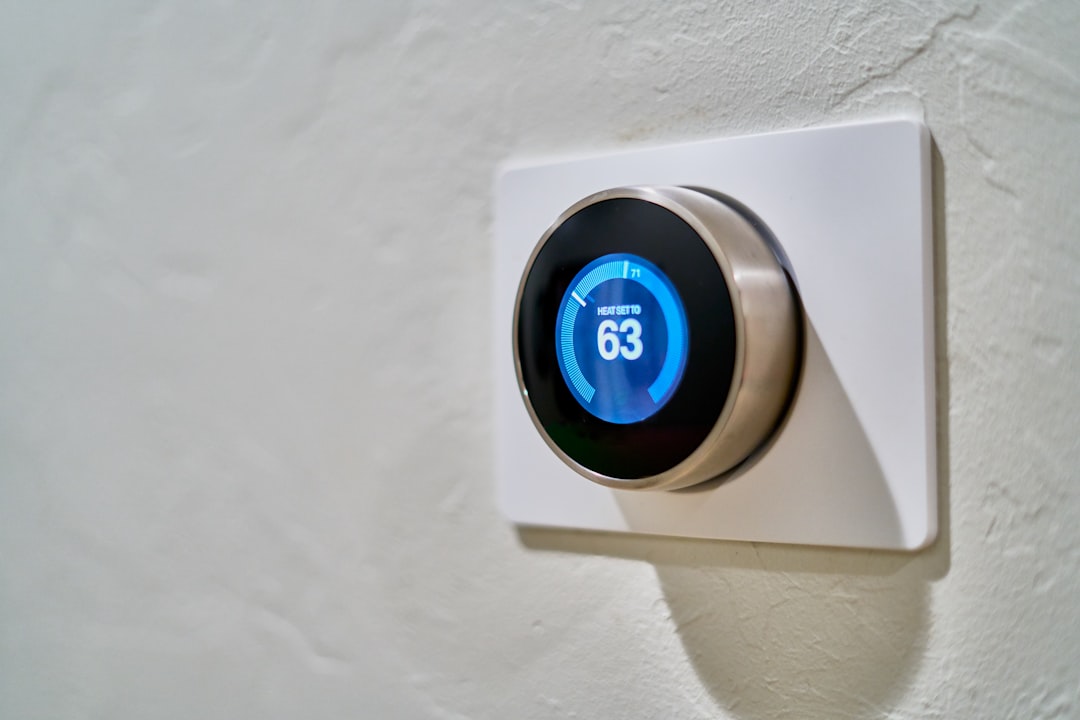
Best Smart Thermostats: Save Money on Energy Bills
Finding the best smart thermostats 2026 has gotten more interesting — and more complicated. Matter certification is now table stakes, learning algorithms have matured, and the gap between budget and premium picks has narrowed. Whether you’re a renter who can’t touch the wiring, a homeowner ready to ditch a 20-year-old programmable box, or an HVAC upgrader planning a full multi-zone overhaul, this guide cuts through the noise with real specs, real trade-offs, and clear recommendations.
Heating and cooling account for roughly 45% of the average US household energy bill — that’s $900 or more per year for most homes. A well-configured smart thermostat can trim that by 10–15%, paying for itself in under 12 months. But specs on a box don’t tell you whether a device works with your 2-stage heat pump, whether it needs a C-wire, or how deep the Matter integration actually goes. This guide does.
How We Evaluated the Best Smart Thermostats
We judged each thermostat across five dimensions: HVAC compatibility (system types, C-wire requirements, staging support), smart home integration (Matter, Z-Wave, Zigbee, native API), intelligence features (learning algorithms, geofencing, predictive scheduling), energy reporting (granularity, utility integrations, demand response), and renter-friendliness (installation difficulty, reversibility). Price is a factor, but value matters more than sticker price.
Quick Comparison: Best Smart Thermostats
| Thermostat | Protocol | Matter | C-Wire Required | Learning | Best For | Price |
|---|---|---|---|---|---|---|
| Ecobee Smart Premium | Wi-Fi + Matter | ✅ Yes | Recommended (adapter included) | Yes — occupancy + schedule | Most homes, Matter ecosystems | ~$250 |
| Google Nest Learning Thermostat | Wi-Fi (Thread border) | ⚠️ Partial via Home app | Yes (or 4th-gen adapter) | Yes — auto-schedule + Farsight | Google/Apple households | ~$280 |
| Emerson Sensi Touch | Wi-Fi + Matter | ✅ Yes | No (optional) | No — schedule-based | Renters, budget Matter buyers | ~$100 |
| Nest Thermostat E | Wi-Fi | ❌ No | No (Power Connector included) | Partial — eco temps only | Budget Google users | ~$130 |
| Honeywell T9 | Wi-Fi | ❌ No | Yes | No — schedule-based | Multi-room sensing, Resideo users | ~$170 |
1. Ecobee Smart Premium — Best Overall
The Ecobee Smart Premium is the most complete smart thermostat you can buy right now, and it’s the top pick for best smart thermostats on wiredhaus. It ships with Matter support baked — not bolted on — which means it joins Apple Home, Google Home, Amazon Alexa, and Home Assistant vs SmartThings platforms as a native device without hacks or bridges.
💰 Buy on Amazon → Ecobee SmartThermostat with Voice
HVAC compatibility: Works with conventional systems (1H/1C), multi-stage heat and cool (2H/2C), heat pumps with auxiliary heat, and humidifier/dehumidifier control. Supports up to 3 stages of heating and 2 stages of cooling. Requires a C-wire for full functionality, but ships with a Power Extender Kit (PEK) that eliminates the C-wire requirement in most setups by stealing power from the Rh/Rc and G terminals.
SmartSensor technology is the real differentiator. The included remote sensors measure room occupancy and temperature independently, letting the Ecobee prioritize comfort where people actually are — not an average across an empty house. In two-story homes where temperature stratification is a constant battle, this matters. You can pair up to 32 sensors across zones.
💰 Buy on Amazon → Ecobee3 Lite Smart Thermostat
Learning algorithm: Ecobee uses a combination of occupancy history, manual schedule adjustments, and Home IQ data to build a comfort profile. It won’t auto-schedule without input (unlike Nest), but its Follow Me feature actively shifts comfort targets based on which sensors detect occupancy. The result is less aggressive but more reliable than Nest’s approach.
Energy reporting: Home IQ provides monthly and annual runtime reports, compares your system performance to similar homes, and integrates with utility demand-response programs. Ecobee partners with dozens of utilities for incentive programs — worth checking before you buy.
💰 Buy on Amazon → Ecobee SmartSensor
Geofencing: Uses your phone’s GPS to trigger Home/Away transitions. Supports multiple occupants, so it won’t switch to Away if your partner is still home. Works natively in the Ecobee app and via Matter automations in any compatible hub.
Best for: Homeowners with multi-stage systems or heat pumps; anyone building a Matter-first smart home; energy-conscious buyers who want real reporting. For those building out a full ecosystem, pair it with our guide to best smart home hubs.
2. Google Nest Learning Thermostat — Best Learning Algorithm
The Google Nest Learning Thermostat remains the gold standard for autonomous scheduling. It watches your manual adjustments for the first week and builds a schedule automatically — no app configuration required. For users who hate setup menus, that’s genuinely compelling.
HVAC compatibility: Supports conventional 1H/1C, multi-stage, heat pumps with aux heat, and fan control. Requires a C-wire in most installations; the 4th-gen model includes a Power Connector for systems that lack one. Does NOT support 3-wire Millivolt systems (common in older gas fireplaces and some zone valve systems).
💰 Buy on Amazon → Nest Power Connector
Learning algorithm: Farsight lights up the display when you approach, showing time, temperature, or weather. Auto-Schedule builds your weekly routine from manual adjustments over 5–7 days. Home/Away Assist uses your phone’s location and the thermostat’s built-in occupancy sensor together — when neither detects activity, it switches to Eco temperatures automatically.
Matter status: The Nest Learning Thermostat’s Matter support is partial and routed through the Google Home app, which acts as a Matter bridge. Direct Matter-over-Thread control is not available. If you’re running Home Assistant or a non-Google hub, you’re relying on the Google Home integration — which works, but adds a dependency. See our Home Assistant vs SmartThings breakdown for hub-level compatibility details.
Energy reporting: Nest’s Energy History provides day-by-day HVAC runtime, Nest Leaf prompts when you choose energy-efficient temperatures, and Home Report emails summarize monthly usage. Integration with Google’s Rush Hour Rewards program provides utility demand-response credits in participating regions.
💰 Buy on Amazon → Nest Temperature Sensor
Best for: Google Home households; anyone who wants a set-and-forget thermostat with minimal configuration; Apple Home users (via Matter bridge).
3. Emerson Sensi Touch — Best for Renters and Budget Buyers
The Emerson Sensi Touch is the surprise value pick for best smart thermostats . At ~$100, it’s the cheapest Matter-certified thermostat you can buy, and it doesn’t cut corners where it counts.
HVAC compatibility: Supports up to 2H/2C conventional systems, single-stage heat pumps, and fan control. Does NOT support dual-fuel systems or 3-stage equipment. Crucially, it does NOT require a C-wire — it runs on batteries (AA), making it the most renter-friendly option on this list. No electrician needed, no C-wire fishing through walls.
Matter support: Full Matter over Wi-Fi certification. Works natively in Apple Home, Google Home, Amazon Alexa, and Home Assistant without a bridge. For renters building a portable smart home they can take to the next apartment, this is significant — the hub you invest in now will work with this thermostat regardless of which ecosystem you end up in.
What it lacks: No learning algorithm, no room sensors, no occupancy detection, no energy reporting beyond basic runtime history. It’s a smart schedule-based thermostat with excellent connectivity — not an AI-driven energy optimizer. If you want learning, buy the Ecobee.
Best for: Renters; budget buyers entering the smart home ecosystem; secondary properties where simplicity beats sophistication.
4. Nest Thermostat E — Best Budget Google Pick
The Nest Thermostat E sits below the Learning Thermostat in the Google lineup, trading the metal build and full learning capabilities for a lower price and easier installation. It includes Google’s Power Connector, which eliminates the C-wire requirement by using a common wire bypass — a meaningful advantage for older homes.
HVAC compatibility: More limited than the Learning Thermostat. Supports 1H/1C conventional, basic heat pumps, and fan control. Does NOT support multi-stage systems, dual-fuel, or auxiliary heat wiring on heat pumps. Check compatibility at nest.com/compatibility before purchasing — this one has the most restrictions on this list.
Learning: Partial. The Thermostat E will suggest Eco temperatures based on away detection, but it lacks the full Auto-Schedule algorithm of the Learning Thermostat. You’ll set schedules manually.
Matter status: No Matter support. Google-ecosystem only. Works with Google Home and Alexa via the Google Home skill, but not with Apple Home or Home Assistant without workarounds.
Best for: Budget buyers already in the Google ecosystem; systems that aren’t compatible with multi-stage thermostats.
5. Honeywell Home T9 — Best for Multi-Room Sensing
The Honeywell T9 targets homeowners who want room-by-room temperature management without the Ecobee’s premium price. It supports up to 20 Resideo smart room sensors, each measuring temperature and occupancy, letting the thermostat focus conditioning on occupied rooms.
💰 Buy on Amazon → Honeywell Home T9
HVAC compatibility: Supports conventional 2H/2C, heat pumps with aux heat, and humidifier/dehumidifier control. Requires a C-wire — no workaround kit included. Supports both 24V systems and some 120/240V equipment with additional hardware.
💰 Buy on Amazon → Honeywell Home T6 Pro Smart Thermostat
Room sensors: Resideo’s sensors use a proprietary 900MHz wireless protocol — longer range than Zigbee or Z-Wave with better wall penetration. Sensors report to the T9 directly without a hub. This is both an advantage (no hub required) and a limitation (sensors don’t work with other systems).
💰 Buy on Amazon → Honeywell Home Temperature Sensor
Matter/Z-Wave/Zigbee: The T9 uses Wi-Fi only — no Z-Wave, no Zigbee, no Matter. It integrates with Alexa, Google Home, and the Resideo app. Home Assistant integration exists via the Resideo integration but lacks full feature parity. If you’re running a segregated IoT network, see our guide to IoT VLAN setup — the T9’s proprietary sensor protocol and cloud dependency make network isolation important.
Energy reporting: Basic runtime history in the Resideo app. No utility integration, no demand-response programs, no comparative benchmarking. The weakest energy reporting on this list.
Best for: Homeowners with large, multi-room homes and stratification issues; Resideo ecosystem users; anyone who wants room sensors without switching platforms.
Protocol Deep Dive: Matter, Z-Wave, and Zigbee
Most thermostats on this list use Wi-Fi — not Z-Wave or Zigbee. That’s a deliberate choice by manufacturers: Wi-Fi means no hub requirement, which widens the addressable market. But Wi-Fi also means cloud dependency for most features, higher power consumption (relevant for battery-powered models), and integration friction when you’re running a local-first smart home.
Matter is the protocol that actually changes the calculus for . Matter over Wi-Fi (and Thread) gives you local control without a manufacturer’s cloud, interoperability across platforms, and a future-proofed integration path. The Ecobee Smart Premium and Emerson Sensi Touch both carry full Matter certification. The Nest Learning Thermostat supports Matter via bridge — functional, but not the same as native.
Z-Wave and Zigbee thermostats exist — Radio Thermostat CT101, Centralite Pearl, and a few others — but none of the mainstream models use them. If you’re building a Z-Wave or Zigbee-centric hub setup and need thermostat integration, the Ecobee’s Matter support via a Matter-compatible hub is currently the cleanest path.
C-Wire: The Installation Factor Most Buyers Miss
The single biggest installation variable is the C-wire (common wire). It provides continuous 24V power to the thermostat so it doesn’t drain batteries or steal power from other terminals. Most homes built after 2000 have a C-wire; older homes often don’t.
If you don’t have a C-wire: the Emerson Sensi Touch runs on batteries (no adapter needed), the Nest Thermostat E includes a Power Connector bypass, and the Ecobee includes a PEK adapter. The Honeywell T9 requires a C-wire with no workaround — factor in an electrician visit if your home lacks one.
Before buying, pull off your current thermostat and count the wires. A C-wire is typically labeled C or COM and is usually blue. If you see it, every thermostat on this list installs without issues. If you don’t, match your choice to one with a bundled solution.
Geofencing in Practice
Every thermostat here offers geofencing, but implementation quality varies significantly. The Ecobee and Nest Learning Thermostat both support multiple occupants — the system won’t switch to Away mode until all registered phones have left the geofence. Single-occupant geofencing (where one phone controls Away state) is prone to false Away triggers when a phone’s GPS drifts.
Geofence radius matters too. Tighter fences (0.25–0.5 miles) give faster response but more false triggers in dense urban areas where GPS accuracy degrades. Most apps default to 0.5 miles, which balances pre-conditioning lead time against false triggers for most suburban layouts.
Who Should Buy What
For the renter who needs easy installation and portability: Emerson Sensi Touch. No C-wire, no electrician, full Matter support, $100.
For the homeowner who wants the best all-around device with real intelligence: Ecobee Smart Premium. Matter-native, SmartSensors, solid learning, best energy reporting.
For the HVAC upgrader moving to a multi-stage or heat pump system: Ecobee Smart Premium. It handles the most complex wiring configurations and won’t leave you stranded at 3-stage heating.
For the energy-conscious buyer who wants data and utility integrations: Ecobee for full Home IQ and demand-response partnerships, or Nest Learning Thermostat for Rush Hour Rewards in Google-heavy setups.
For the Google household that wants the best learning experience at a lower price: Nest Thermostat E if your system is simple; Nest Learning Thermostat if you can spend $150 more for full auto-scheduling and better ecosystem depth.
The best smart thermostats all converge on the same promise: spend less on heating and cooling without sacrificing comfort. The difference is how they get there — and which promise fits your wiring, your ecosystem, and your tolerance for configuration. Pick the one that matches your setup, not just the one with the best marketing.
Further Reading
For energy savings data, see the U.S. Department of Energy thermostat guide. Matter certification details are available at the Connectivity Standards Alliance.